
Indicators that a Maine Coon may be predisposed to HCM - hypertrophic cardiomyopathy (heart disease)
 |
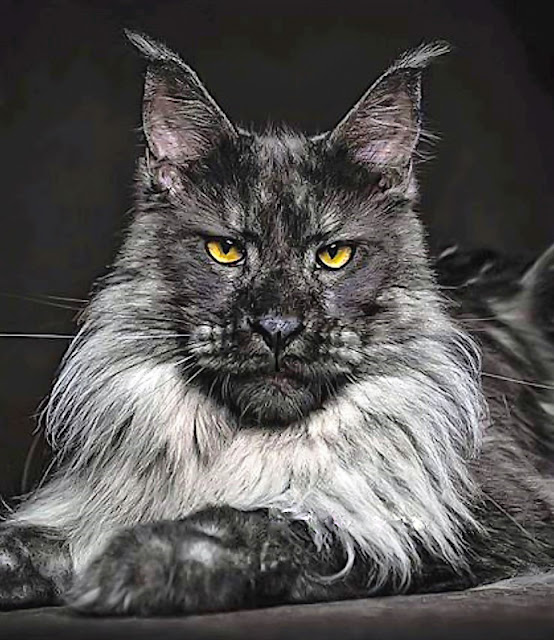
| Indicators that a Maine Coon may be predisposed to HCM - hypertrophic cardiomyopathy (heart disease). Image by MikeB |
Scientists looked at some possible indicators that a Maine Coon might be predisposed to developing HCM in their lives. Their conclusion was that the following signs may indicate a predisposition:
- low birth weight and catch up with rapid growth through good nutrition after poor nutrition as an embryo.
- obesity.
- neutered cat, which is linked to 2 above.
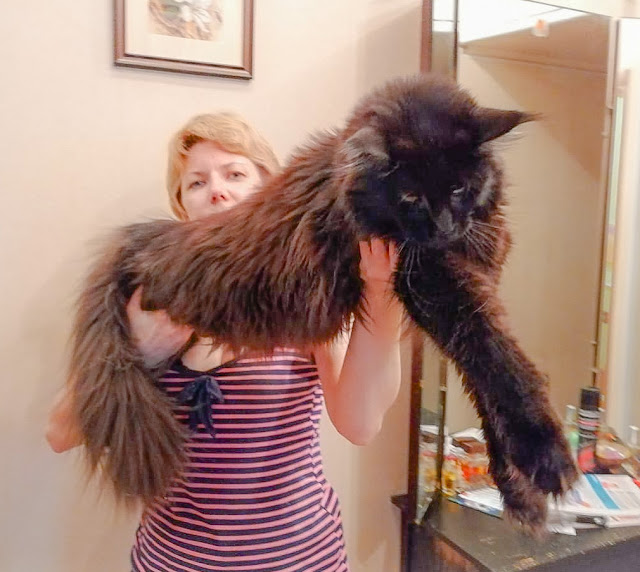
- heavier.
- long forelimb bones connecting the elbow and shoulder (humerus).
Conclusions of the study
Below are some extracts from the study. They are technical but they are here for completeness and they may interest some readers.
1. These data support the hypothesis that early growth and nutrition, larger body size and obesity may be environmental modifiers of genetic predisposition to HCM. Further studies are warranted to evaluate the effects of early nutrition and growth on the phenotypic expression of HCM
2. Low birth weight with rapid catch up - early growth might predispose a Maine Coon to HCM
4. The higher percentage of neutered cats in the HCM+
cats compared with HCM– cats could also play a role in
the greater risk of obesity in this group, as neutering is
known to significantly reduce the energy requirements of
cats.
5. Maine Coon cats with echocardiographic evidence of
HCM (HCM+) were older, more likely to be neutered,
heavier and more obese, and had longer humeri
compared with cats without HCM. Note: Humeri: the bone of the forelimb forming joints at the shoulder and the elbow.





Comments
Post a Comment
Please share your Maine Coon experiences.