Posts

Showing posts with the label drugs

Aficamten for the treatment of HCM in the Maine Coon and other cats

Image
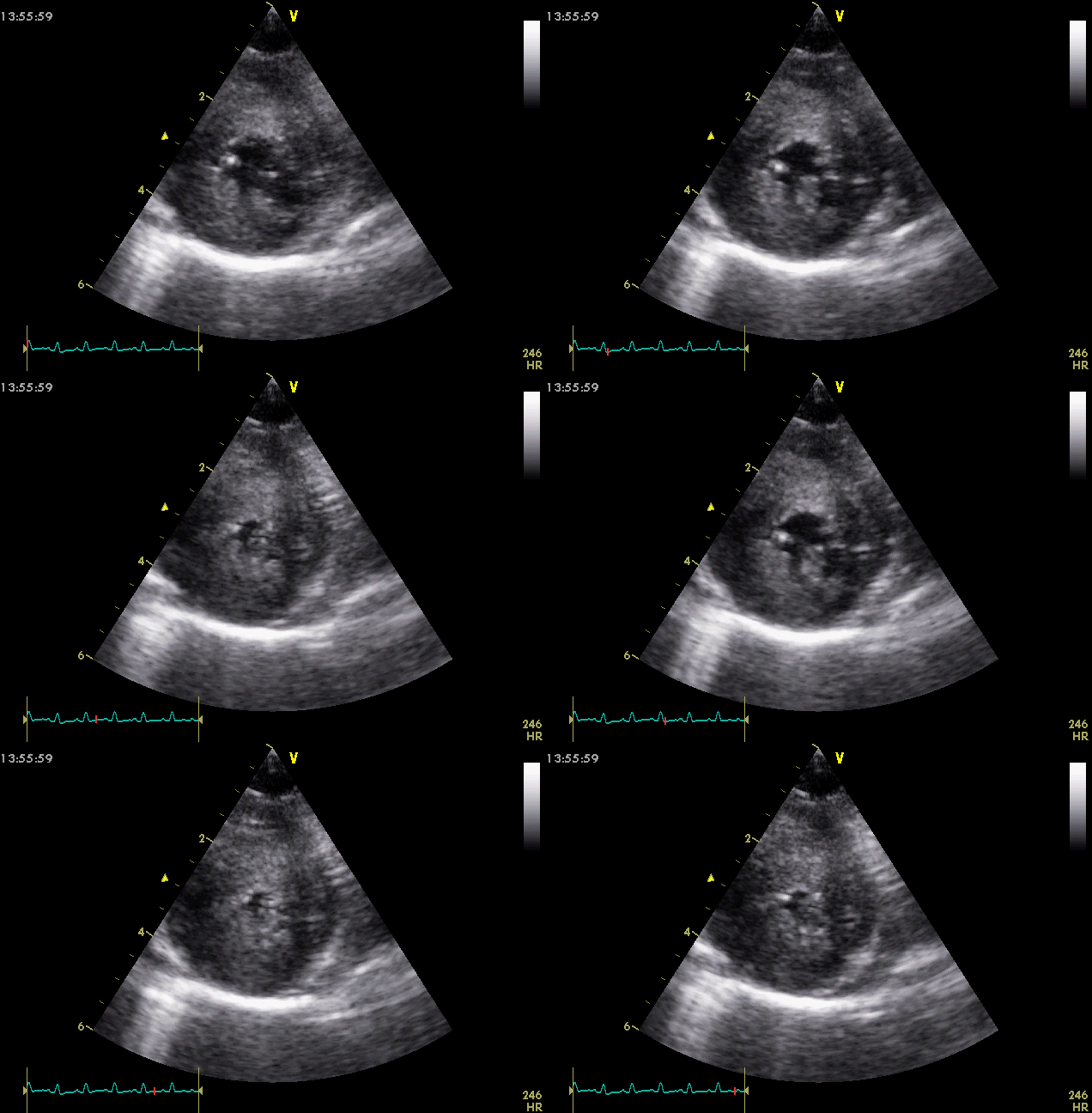
Aficamten for the treatment of HCM in the Maine Coon and other cats. Image: MikeB A study - referred to at the end of the article - concludes with the words below in testing a new drug called aficamten  for the treatment of hypertrophic cardiomyopathy (HCM) in cats of which the Maine Coon is perhaps the best known cat breed to suffer from this inherited disease. "A single dose of aficamten significantly decreased LV systolic function and improved LVOTO, both of which are harmful aspects of this disease process that contribute to the pathogenesis." The sentence above describes the effects of this medication called aficamten on a condition that causes abnormal function in the left ventricle of the heart which is how HCM is manifested in cats and people. The left ventricle becomes enlarged and malfunctions. Here's a breakdown: A single dose of aficamten significantly decreased LV systolic function: Aficamten reduces the pumping ability of the left ventricle (LV) to a noticea...
Read this before giving Librela or Solensia to Maine Coons with hip dysplasia

Image
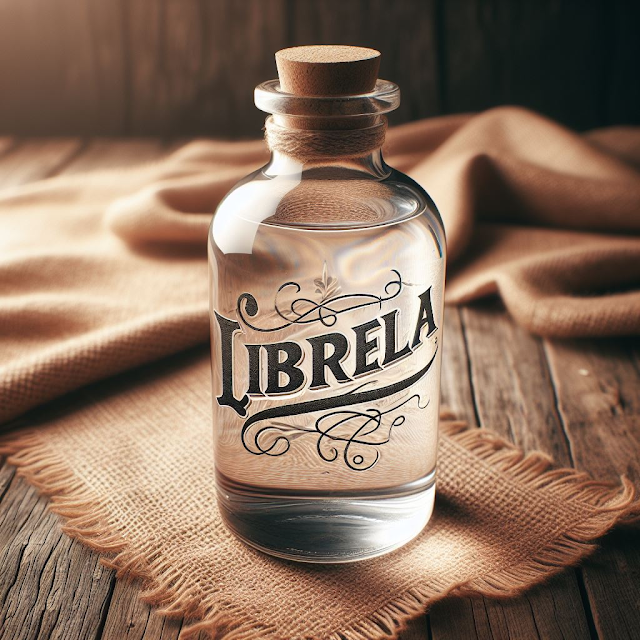
Both of Librela and Solensia are solutions for injection to be given subcutaneously (under the skin) for cats or dogs. They are used to alleviate pain caused by arthritis.  However, a business concerned with canine rehab and hydrotherapy say that pain relief and supplements for dogs suffering from hip dysplasia can be given Librela which is injected into the mouth. The drug is effective in reducing pain caused by hip dysplasia.  Arthritis and hip dysplasia are similar in that they both affect the joint and both can and do cause pain depending on their severity. Don't authorise your vet to use this on your Maine Coon suffering from hip dysplasia until you are completely satisfied that it is safe and will not cause severe side effects. Image: DALLE. This is a fictional image. Maine Coons are well-known to suffer from hip dysplasia. The Maine Coon is synonymous with hip dysplasia (HD). Now for the last piece in the jigsaw. Another website (Yahoo Finance) tells us that the manufac...

Do Maine Coons have a temper?

Image
Do Maine Coons have a temper? This is a question asked on one of the top Maine Coon websites which Google favours. And I've got to say that it is a slightly stupid or misleading question. That might sound arrogant of me but I will explain myself. No domestic cat has a bad temper unless they are ill. Although they might be suffering from audiogenic reflex seizures or other environmental problems. I'll look at illness first.  Pain When a cat feels pain inside their body, they may be quiet about it. They might go quiet. They might sleep more than normal and find a quiet corner in the home. But you don't really know what's going on at least initially. So, you pick up your Maine Coon to give him a cuddle. They are very cuddly. Your Maine Coon companion cries out and strikes out at you as if in retaliation. You don't understand. You might think that your cat has suddenly developed a bad temper but he hasn't.  He/she has simply responded to feeling pain when you picked...

Ramipril an ACE inhibitor does not benefit Maine Coons with HCM without congestive heart failure

Image
Maine Coon photo copyright Helmi Flick. This is very much a 'normal' Maine Coon not bred to extreme. Introduction I am not a veterinarian I am good at research I am good at understanding medical/scientific studies I can summarise them into plain English --------------------- Ramipril is an ACE inhibitor. ACE stands for "Angiotensin-converting enzyme". ACE inhibitors such as Ramipril are medications that help relax the veins and arteries to lower blood pressure.  Key point: ACE inhibitors prevent an enzyme in the body from producing angiotensin II, a substance that narrows blood vessels.  Alternative names for Ramipril include: Lopace, Ramipril, Triapin, Triapin Mite, Tritace (British Heart Foundation). The study I am referring to is: The Effect of Ramipril on Left Ventricular Mass, Myocardial Fibrosis, Diastolic Function, and Plasma Neurohormones in Maine Coon Cats with Familial Hypertrophic Cardiomyopathy without Heart Failure. Link to study abstract:  https://doi.o...

What can a Maine Coon owner do to help their cat with hip dysplasia?

Image
We know that hip dysplasia is fairly common in Maine Coon cats at around 23%-30% of the population getting it, which is a bit shocking when you think about it. Breeders can do more to prevent it. And it can develop at an early age.  This implies to me that your Maine Coon cat companion may be suffering from hip dysplasia for a substantial part of their life. Although the symptoms may not be visible until the cat is adults or even elderly. Is there something you can do about it? Can you ease the discomfort and difficulties that it presents? Well, I've been digging around for an answer to those questions. I sense that there is not a lot that a Maine Coon cat owner can do that is very effective, regrettably. Michigan State University, College of Veterinary Medicine, rather confidently state that most cats with hip dysplasia respond to non-surgical management. That's a reference to a combination of "environmental changes, physical therapy, drug therapy, or weight loss". H...

Mavacamten is slated as a possible new drug for HCM in Maine Coon cats

Image
We know that about 30% of Maine Coon cats have a genetic mutation which makes it likely that they will develop hypertrophic cardiomyopathy (HCM), a thickening of the muscle walls of the heart. It leads to heart failure and other complications. It is an inherited disease in Maine Coon cats, one of several. It is a shame that this highly popular cat breed, which is increasing in popularity, has the stain of inherited diseases against its reputation. RELATED:  Gene mutation troponin-T (TNNT2) implicated in HCM in Maine Coon cats . HCM in cats. Note thickening of heart muscle and decrease in lumen size of the ventricle. Gif: CVCA. Mavacamten (MYK-461) is a drug which is about to emerge as a treatment for HCM in humans. In 2020 MyoKardia was purchased by Bristol-Myers Squib for $13.1billion. The price was based in part on this new drug which has been shown to improve heart function in 37% of humans suffering from HCM compared to 17% who improved taking a placebo. In 2014 MyoKardia with ...

Maine Coons developed severe facial ulcerative dermatitis when used as test subjects for a human acne drug

Image
I will have to keep this brief because I am working off an abstract of a study which is a summary. I've seen similar studies where scientists have used Maine Coon cats to test drugs that are used on people suffering from hypertrophic cardiomyopathy (HCM). I guess the scientist wanted to see whether these human drugs work on cats and Maine Coons are predisposed to developing HCM. Maine Coons developed severe facial ulcerative dermatitis when used as test subjects for a human HCM drug. Image in public domain. On this occasion they tested a drug called Spironolactone (SPIR) in America. As mentioned, they tested it on Maine Coon cats with familial HCM i.e. inherited HCM. They wanted to see whether this drug improved diastolic function and reduced left ventricular mass in these cats. The conclusion is that it did not work. They tested the drug over four months. For me, a disturbing statement in their summary is this: one third of cats treated with SPIR developed severe ulcerative facial...

Popular posts from this blog

The extreme Maine Coon face

Maine Coon Size - this is a huge one!

Average lifespan of Maine Coon cat

Comparison of a black smoke Maine Coon at 6 weeks and 6-years-of-age

Are Maine Coons illegal in some countries, states or territories?

Tortoiseshell Maine Coon with split-face

5 Maine Coon transformations from kitten to adult (video)

Eerie picture of a Maine Coon sitting like a human on a chest of drawers

Picture showing a Maine Coon as big as a child

Should Maine Coons wear collars?